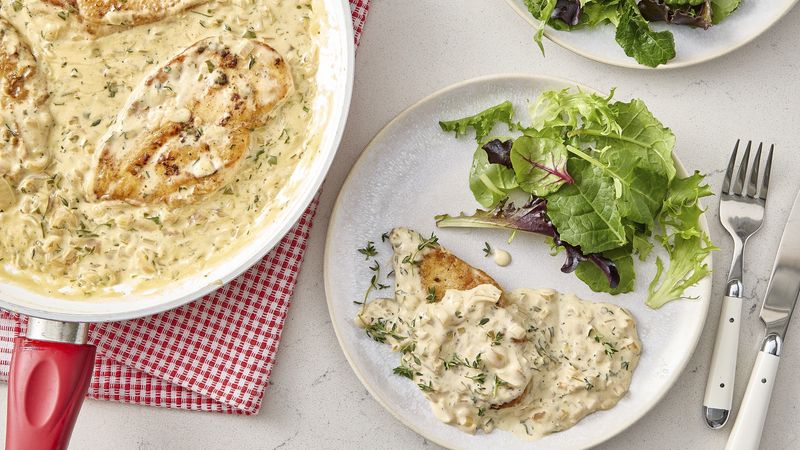
Make Tender, Creamy Chicken in White Wine Sauce at Home
Imagine a dish that effortlessly marries elegance with comfort, delivering a restaurant-quality experience right in your own kitchen. That's precisely what you get with a perfectly prepared chicken in white wine sauce. This timeless classic, often perceived as sophisticated and complex, is surprisingly simple to master, making it an ideal choice for a cozy family dinner, a romantic evening, or when you simply crave something special without the fuss.
At its heart, this dish features succulent, seared chicken breasts bathed in a velvety, aromatic white wine cream sauce. The wine infuses a bright, subtle acidity and depth, while the cream creates a luxurious texture that beautifully coats every tender bite. It’s a harmonious blend of flavors and textures that promises to impress even the most discerning palates. Forget complicated culinary techniques; our guide will show you how to achieve this exquisite dish with ease.
The Magic Behind Tender, Creamy Chicken in White Wine Sauce
What makes this particular rendition of chicken in white wine sauce so irresistibly tender and creamy? It's a combination of simple yet effective cooking techniques that unlock incredible flavor and texture. Understanding these principles will elevate your cooking beyond just following a recipe:
- Searing for Flavor and Moisture: The initial searing of the chicken breasts isn't just for a beautiful golden-brown crust. This crucial step caramelizes the natural sugars in the chicken, creating a rich depth of flavor (the Maillard reaction) and sealing in precious moisture, ensuring the chicken remains juicy throughout the cooking process.
- White Wine for Brightness and Depth: A good quality dry white wine is more than just an ingredient; it's a flavor enhancer. As it simmers, the alcohol evaporates, leaving behind a concentrated essence of its fruity and acidic notes. This acidity cuts through the richness of the cream, balancing the dish and adding an aromatic complexity that defines this sauce.
- Cream for Luxurious Texture: Heavy cream is the secret to the sauce's silky smooth, rich texture. It emulsifies with the wine and chicken broth, creating a luscious coating that clings to the chicken, delivering comfort in every spoonful.
- Slow Simmering for Ultimate Tenderness: After searing, the chicken finishes cooking gently in the sauce. This low-and-slow approach ensures the chicken becomes incredibly tender, absorbing the flavors of the sauce as it cooks through. This method prevents the chicken from drying out, a common pitfall with breast meat.
For more detailed insights into the sauce itself, you might find The Ultimate White Wine Cream Sauce for Tender Chicken a valuable read.
Mastering the Recipe: Your Guide to Homemade Perfection
Let's dive into creating your own unforgettable chicken in white wine sauce. This recipe simplifies the process while maximizing flavor.
Gather Your Ingredients
Having all your components ready before you begin will make the cooking process smooth and enjoyable.
For the Chicken:
- 4 boneless, skinless chicken breasts: Opt for even-sized breasts for consistent cooking.
- 1 teaspoon salt
- ½ teaspoon black pepper
- 1 teaspoon garlic powder
- 2 tablespoons olive oil: For searing.
For the White Wine Sauce:
- 2 tablespoons unsalted butter: Provides a rich base for the aromatics.
- 3 cloves garlic, minced: Fresh garlic is key for aromatic depth.
- ½ cup dry white wine: Choose a drinking-quality wine like Sauvignon Blanc, Pinot Grigio, or Chardonnay. Avoid "cooking wine" as it often contains added salt and preservatives that can detract from the flavor.
- ¾ cup heavy cream: The backbone of your creamy sauce.
- ½ cup chicken broth: Adds savory depth and helps achieve the right sauce consistency.
- 1 teaspoon dried thyme (or 1 tablespoon fresh thyme): Thyme is a classic pairing with chicken and white wine.
- ¼ teaspoon red pepper flakes (optional): For a subtle kick of heat that complements the richness.
- 2 tablespoons grated Parmesan cheese (optional): Stirred in at the end for extra umami and richness.
- Salt and pepper to taste: Adjust seasonings at the end.
- Fresh parsley, chopped: For garnish and a burst of freshness.
Step-by-Step Cooking Instructions
Follow these steps to create a truly spectacular dish.
- Prepare and Season the Chicken: Begin by patting your chicken breasts completely dry with paper towels. This crucial step helps achieve a beautiful sear. Season both sides generously with salt, black pepper, and garlic powder.
- Sear the Chicken: Heat the olive oil in a large, oven-safe skillet (preferably cast iron or stainless steel) over medium heat. Once shimmering, add the seasoned chicken breasts. Cook for 5-6 minutes per side until they are golden brown and have developed a nice crust. The chicken does not need to be fully cooked at this stage; we're building flavor. Remove the chicken from the skillet and set it aside on a plate.
- Build the Aromatic Base: In the same skillet (don't clean it – those browned bits, called "fond," are pure flavor!), reduce the heat to medium-low. Add the unsalted butter and let it melt. Add the minced garlic and cook for about 30 seconds, stirring constantly, until it becomes fragrant but not browned.
- Deglaze with Wine: Pour in the dry white wine. Increase the heat slightly and simmer for 2-3 minutes, scraping up any browned bits from the bottom of the skillet with a wooden spoon. This deglazing step incorporates all that delicious fond into your sauce, adding immense depth. The wine will reduce slightly, concentrating its flavors.
- Craft the Creamy Sauce: Stir in the chicken broth. Slowly pour in the heavy cream while continuously stirring to ensure a smooth, emulsified sauce. Add the dried thyme (or fresh thyme) and red pepper flakes (if using). Bring the sauce to a gentle simmer on low heat and cook for 2-3 minutes, allowing it to thicken slightly. If the sauce becomes too thick, you can thin it with a little more chicken broth.
- Finish Cooking the Chicken: Return the seared chicken breasts to the skillet, nestling them into the simmering sauce. Spoon some of the luscious sauce over the chicken to coat it evenly. Cover the skillet and continue to simmer on low heat for 10-12 minutes, or until the chicken is fully cooked through and reaches an internal temperature of 165°F (74°C). This gentle simmer ensures the chicken remains incredibly moist and tender.
- Optional Parmesan and Serve: If desired, stir in the grated Parmesan cheese during the last minute of cooking for an extra layer of savory richness. Taste the sauce and adjust salt and pepper as needed.
- Garnish and Enjoy: Sprinkle generously with freshly chopped parsley before serving hot.
For a more visual guide or different perspectives, explore resources like Restaurant-Quality Chicken in White Wine Sauce: Easy Skillet Recipe.
Tips for Perfection & Delicious Variations
Achieving restaurant-quality results at home is all about attention to detail and a willingness to experiment. Here are some extra insights and ways to customize your chicken in white wine sauce.
Expert Tips for the Best Results
- Don't Rush the Sear: A good sear is the foundation of flavor. Ensure your skillet is hot enough and don't overcrowd it. Cook the chicken in batches if necessary to prevent steaming.
- Quality Wine Matters: As mentioned, use a dry white wine you'd enjoy drinking. The flavors will concentrate in the sauce, so choose wisely.
- Taste and Adjust: Always taste your sauce before the final step. Seasoning is personal. You might need a pinch more salt, a grind of pepper, or even a tiny squeeze of lemon at the end for an extra pop of brightness.
- Check Chicken Doneness: The best way to ensure perfectly cooked (and not overcooked) chicken is to use an instant-read meat thermometer. Insert it into the thickest part of the breast; it should read 165°F (74°C).
- Rest the Chicken: After removing the chicken from the pan, let it rest for a few minutes before slicing (if you plan to slice it). This allows the juices to redistribute, keeping the chicken moist.
Delightful Flavor Variations
While the classic recipe is outstanding, these simple additions can transform your dish:
- Mushroom White Wine Chicken: For an earthy depth, add 1 cup of sliced mushrooms (cremini or button work well) to the skillet after cooking the garlic. Sauté them until softened before adding the white wine.
- Lemon White Wine Chicken: Brighten the sauce further by stirring in 1 teaspoon of fresh lemon zest and a squeeze of lemon juice (about 1 tablespoon) along with the heavy cream. This adds a delightful citrusy zing.
- Garlic Lover's Version: If you adore garlic, feel free to increase the amount to 5 or even 6 cloves. Mince them finely to distribute the flavor throughout the sauce.
- Spicy Kick: Increase the red pepper flakes to ½ teaspoon or more for a noticeable warmth that balances the creamy richness.
Serving Suggestions
This versatile dish pairs beautifully with a variety of simple sides that allow the rich sauce to shine.
- Creamy Mashed Potatoes: The ultimate classic pairing. Mashed potatoes soak up every drop of the exquisite sauce.
- Pasta: Toss with linguine, fettuccine, or penne for a comforting and satisfying meal.
- Rice: White or brown rice is a great absorbent base.
- Roasted Asparagus or Green Beans: Offer a fresh, crisp counterpoint to the creamy chicken.
- Crusty Bread: Absolutely essential for soaking up any remaining sauce!
- Low-Carb Options: Serve with roasted vegetables (like broccoli or zucchini) or a cauliflower mash for a delicious low-carb alternative.
Common Questions & Troubleshooting
- Can I use cooking wine? While technically possible, it's highly recommended to use a drinking-quality dry white wine (like Sauvignon Blanc, Pinot Grigio, or unoaked Chardonnay). Cooking wines often contain additives and high sodium, which can negatively impact the flavor.
- Can I substitute heavy cream? Yes, you can. Half-and-half will yield a lighter sauce, while coconut cream can be used for a dairy-free option, though it will impart a subtle coconut flavor. Full-fat milk combined with a tablespoon of cornstarch can also work in a pinch, but heavy cream offers the best richness and stability.
- How do I store leftovers? Store any leftover chicken in white wine sauce in an airtight container in the refrigerator for up to 3 days.
- Can I freeze this dish? Cream-based sauces have a tendency to separate or change texture after freezing and thawing, becoming grainy. While technically possible, for the best texture and flavor, it's generally recommended to enjoy this dish fresh.
Conclusion
Creating tender, creamy chicken in white wine sauce at home is a culinary triumph that's well within reach for any home cook. With just a few quality ingredients and straightforward steps, you can transform simple chicken breasts into an elegant, deeply satisfying meal. The balance of bright acidity from the wine, the rich creaminess of the sauce, and the perfectly cooked, tender chicken makes this dish a true showstopper. So, don't hesitate to whisk up this delightful creation and savor the taste of gourmet dining, made effortlessly in your own kitchen.
